



 | |  |
With minimal resources and unique solutions, large groups of animals have been rescued, nature is now protected and the living conditions of locals have improved. You will find several results of projects below that illustrate the distinctive approach of Masarang. Unfortunately many projects are under a lot of pressure due to lack of resources.
- Planting a forest and restoring the natural balance.
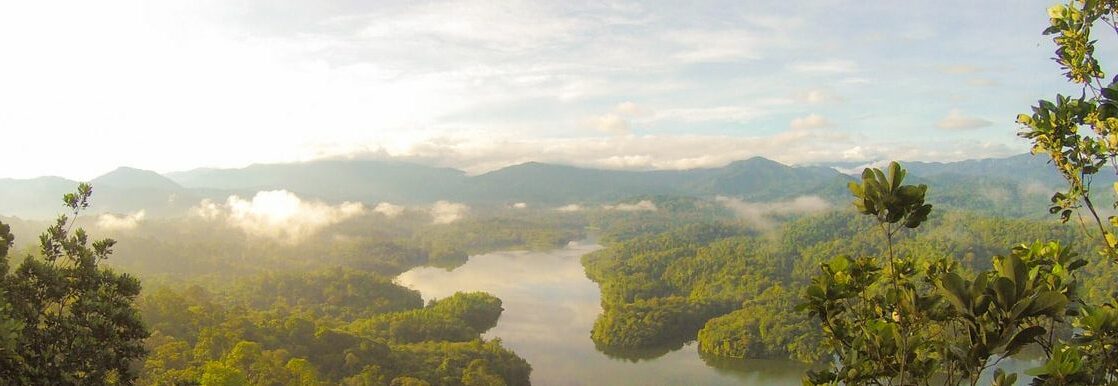
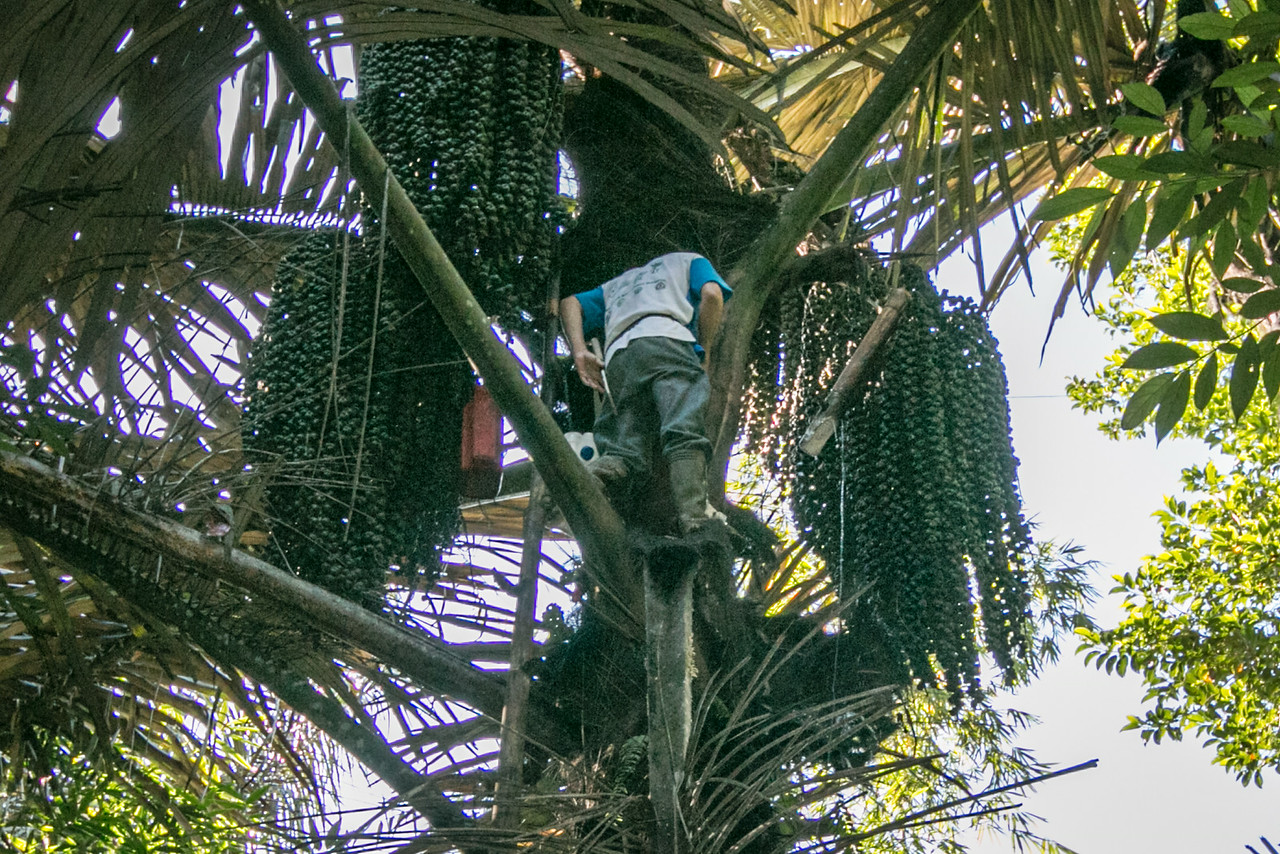
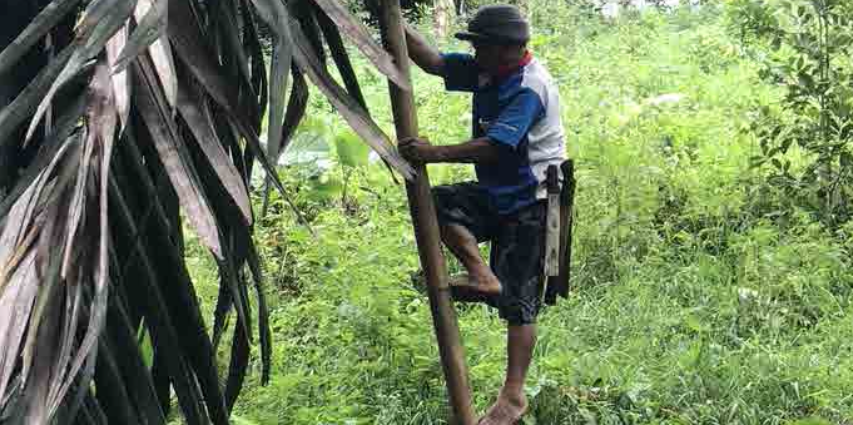
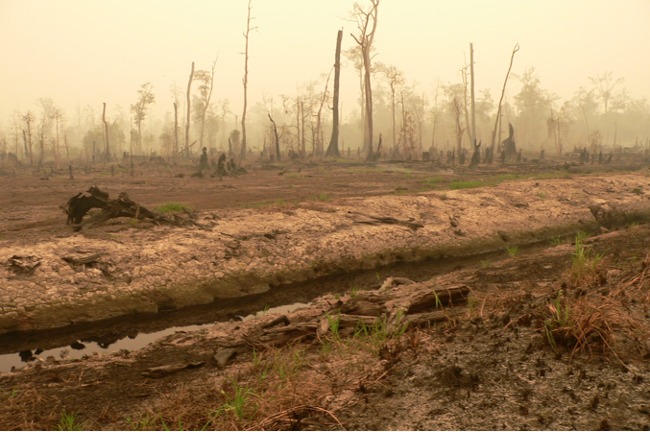
On carefully selected locations, hilltops in particular, approximately 1 million trees were planted to create a forest that is protected by the locals. With the replanting of this forest about 200 jobs are created, for example in sustainable forestry and the sugar palm- and fruit cultivation. Seven formerly dried up springs now provide water and flooding in the lower lands are a thing of the past. Through better water management and an improved local climate (increase in rain, lower temperature), the rice production has increased with at least one extra harvest a year, meaning a quarter million kilos of rice extra every year. Furthermore, the forest is home to many endangered animals and plants. Also, it has become a place of study, as excursions are organised for local children and students. The forest absorbs an estimated 5,000 additional tonnes of CO2 per year.
- Fighting animal smuggling and rescuing endangered animals
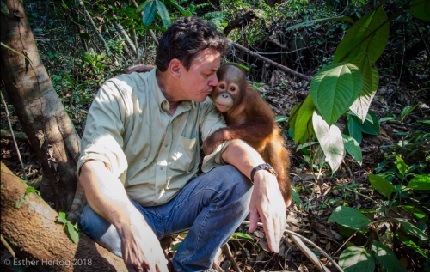
The Tasikoki Animal Rescue Center has given shelter to more than 2,000 animals of 110 different endangered species since it opened. Furthermore, it is actively involved in the fight against animal smuggling and the confiscation of illegally traded animals. On top of that the centre provides education for children and local residents. Volunteers and local employees rehabilitate the animals (including orang-utans, macaques, birds and a Java leopard) before they are, if possible, returned to nature.
- Offering education and opportunities to children
So far, Masarang has offered hundreds of children from poor families the opportunity to attend school by providing scholarships. However, the educational support goes beyond an ordinary school as these children are also given special lessons about nature and the environment, extra English lessons and they also participate in extracurricular (nature) clubs. Students (higher vocational and university) are supported as well, particularly those studying environmental subjects. This will allow the people to escape poverty and build a better future as well as allow this generation to give a higher priority to sustainability and conservation of nature.
- Fighting the loss of biodiversity
The loss of biodiversity and the speed at which animals and plants become extinct, is one of the greatest environmental disasters and threats to humankind at the moment. Masarang has built a unique biodiversity database (with the distribution of animals and plants) which is a powerful tool for capturing the development of biological diversity (biodiversity means stability). With this project we learn about how an ecosystem is formed and expands in newly planted forest and how a vanished ecosystem can best be rebuilt.
- Support small farmers and sustainable agriculture
Masarang creates three-dimensional satellite maps which show topography, soil-types and climate (through our own measurements and cooperation with the European Space Agency). Next, Masarang cooperates with local farmers, who are working the land, to optimize production. This is done by planting the right crops in suitable soil, coordinating the production of individual farmers and apply combination and rotation agriculture. This GIS Mapalus project of Masarang means less fertilizers and pesticides are needed and the agricultural output is higher. At this moment around 10,000 farmers are part of this project.
Though these results may be impressive for a smaller organisation, many projects are under a lot of pressure and have insufficient resources to be continued in a meaningful way. In order to ensure that these solutions have a global impact, an increase of scale is required so that we can apply this approach to more regions across the world. If you support these goals, please help us and donate.
|
|
|  |  Keep updated:  (your email address won't be given to third parties) . . . . . . . . . . . . . . . . . . . . . . . |  |
 | |  |
 |
|